

Most people approach retirement planning with good intentions: you save diligently, invest consistently, try to picture what life will look like after your working years. But even the most thoughtful plan can overlook a few major factors that have a significant impact on your long-term financial stability. Health Care Costs Before and After Medicare Health…

Captain’s Log Why Doing Less Often Leads to More: The Hidden Cost of Constant Trading There is an old saying in investing: “Portfolios are like a bar of soap—the more you touch them, the smaller they get.” It is a funny image—but it is also true. The more investors try to “help” their portfolios by…

The holidays have a way of sneaking up on us. One minute it’s pumpkin spice season, and the next you’re wondering how your Christmas budget disappeared faster than the last cookie on the plate. It’s easy to get caught up in the spirit of giving, but come January, those credit card bills can put a…
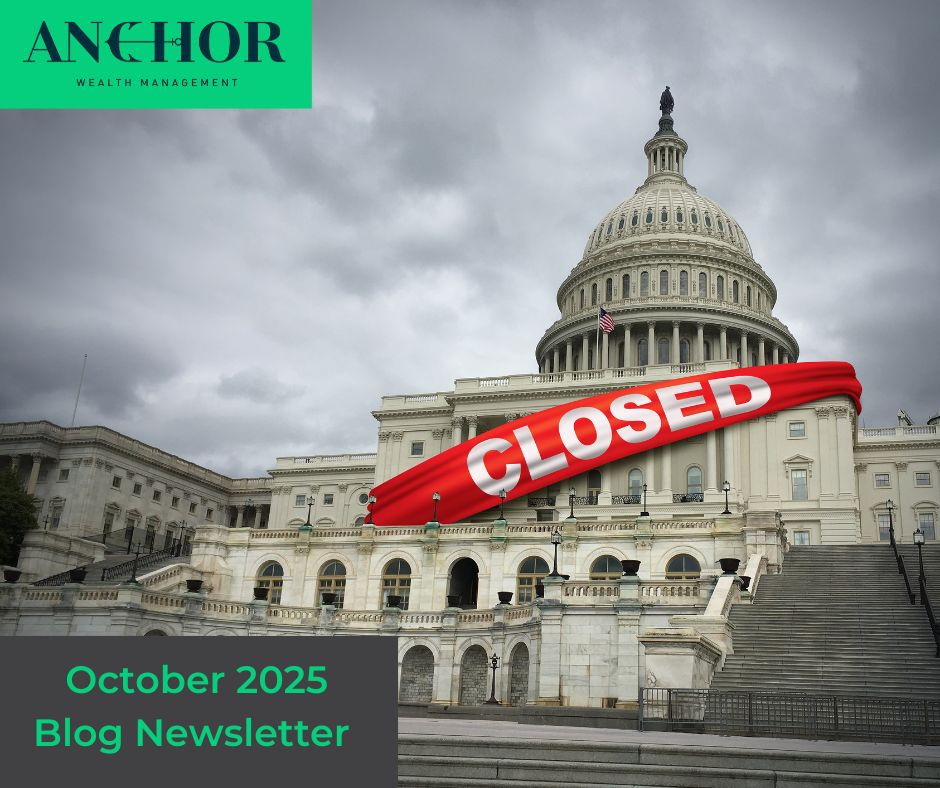
Captain’s Log Staying Calm During the Government Shutdown As I write this, the government has been shut down for nine days and counting. The Kalshi betting markets currently estimate it could last around 25 days. The fact that people can bet on things like this is a bit wild—but then again, maybe they should find…

Captain’s Log A Smart Move at Age 59½ Did you know that once you turn 59½, most retirement plans allow you to take what’s called an in-service distribution? In plain terms, this means you can roll money out of your employer’s plan and into an IRA—without leaving your job. Why does this matter? Proactive Management:…

Captain’s Log Start Investing Your Excess Savings Begin investing your excess savings—cash, CDs, and money markets—that exceed your 3–6 months of living expenses and any large purchases you anticipate over the next 12 months. For example, if your monthly expenses are $5,000, you should have between $15,000 and $30,000 in your emergency fund. In addition,…

Captain’s Log How the “Big Beautiful Bill” Affects Your Financial Plan On July 4, 2025, the federal government passed the One Big Beautiful Bill Act—a sweeping new law that impacts taxes, retirement, business ownership, employee compensation, and federal benefits. Because these changes often include complex rules like phase-outs and limits, it’s important to understand…

Caps are flying, cameras are flashing—and just like that, your student is stepping into a whole new world. Whether they’re packing for a dorm or prepping for their first full-time job, graduation isn’t just a celebration; it’s a launchpad. This is the perfect time to start real-world money conversations. Here are some key financial topics…

Captain’s Log Turning Challenges into Opportunities: How to Invest Strategically Amid Tariffs and Market Volatility If you’ve been watching the headlines lately, you’ve probably noticed the word tariffs popping up more and more. And every time it does, the market seems to react—sometimes sharply. It’s enough to make even seasoned investors a little uneasy. But…

Captain’s Log The Hidden Cost of Cash: How Inflation Erodes Your Purchasing Power At Anchor Wealth, we encourage our clients to maintain cash savings at their banks for emergency funds, sinking funds, and large expenses expected within the next 12 months. Recommended Cash Allocations: Emergency Fund – Maintain 3 to 6 months of living expenses.…